


International School CCA Guide: Why Fencing is the Perfect Choice
Target Keywords: international school CCA Hong Kong, after school fencing, school fencing program HK, CCA activities international school
Schema: BlogPosting + FAQPage + HowTo
The Challenge of Choosing the Right CCA
For parents and students at international schools in Hong Kong, selecting the perfect Co-Curricular Activity (CCA) can feel overwhelming. With dozens of options ranging from traditional sports to emerging tech activities, how do you choose something that delivers genuine value?
Enter fencing—an increasingly popular choice that's capturing the attention of top international schools across Hong Kong. From Harrow to ESF schools, fencing is becoming the CCA of choice for discerning families.
Why Top International Schools Choose Fencing
1. Alignment with International Education Values
International schools place a strong emphasis on critical thinking, individual excellence, global perspective, and well-rounded development. Fencing delivers on all these values perfectly—it requires strategic analysis, focuses on personal growth, connects to an international sport community, and develops students physically, mentally, and in character.
2. University Admissions Advantage
Elite universities worldwide actively recognize fencing as a valuable extracurricular. Ivy League schools recruit fencers directly. UK universities value the discipline and achievement fencing represents. Athletic scholarships are available at many institutions. And perhaps most importantly for competitive applicants, fencing serves as a unique differentiator on university applications.

3. Appeals to International School Demographics
Hong Kong's international school population is often new to the city and seeking community. These students come from diverse cultural backgrounds, tend to be academically ambitious, and are looking for unique extracurriculars. Fencing provides exactly what they need—community, cultural exchange, and a way to stand out
Benefits of School Fencing Programs
For Students
Physical Development comes naturally with fencing. It's a full-body workout without any collision risk. Students improve their coordination and reflexes, develop better posture and core strength, and enhance their cardiovascular fitness—all without the wear and tear of contact sports.
Academic Performance often improves as well. Parents and teachers regularly report better focus and concentration in the classroom. Students develop stronger time management skills, the discipline they learn on the piste translates directly to their studies, and fencing provides a healthy outlet for stress relief from academic pressure.
Personal Growth is where fencing truly shines. Students build confidence through achievement, learn to handle pressure in real time, develop resilience and perseverance through wins and losses, and gain a deep understanding of sportsmanship and ethics.
Social Benefits round out the experience. Young fencers make friends across grade levels, become part of an inclusive and welcoming community, enjoy travel opportunities for competitions, and form lifelong connections with their teammates.
For Parents
Safety is often the first concern, and fencing delivers. It's consistently ranked as one of the safest youth sports. There's no concussion risk. The environment is controlled and professional supervision is always present.
Convenience matters for busy families. On-campus programs mean no weekend travel across Hong Kong. Commitment levels are flexible, and there are clear progression pathways so parents always know what comes next.
Value is excellent. Fencing develops transferable life skills that serve children well beyond the piste. There's potential for university scholarships down the road. It's a unique activity that genuinely stands out on any application. And unlike many sports, fencing is something students can enjoy for life.
For Schools
Program Benefits are substantial. Fencing requires very little space compared to team sports. Equipment is typically provided by the coaches rather than the school. Professional instruction means no burden on existing staff. And the administrative burden is minimal.
Reputation Enhancement follows naturally. A fencing program differentiates a school from competitors. Success stories attract prospective families who want something special for their children. Alumni achievements in fencing become points of pride. And the broader community takes notice.
Student Outcomes improve across the board. Schools report better student engagement from fencers, more balanced student development overall, competitive success opportunities that build school spirit, and strong alignment with character education goals.
What Makes a Great School Fencing Program
Essential Elements
Qualified Instruction is non-negotiable. Look for certified fencing coaches who have genuine experience with youth development. They should understand the unique environment of a school setting, and should have current background checks and safety training.
Appropriate Equipment matters for both safety and enjoyment. Youth-sized protective gear is essential. Quality weapons and masks should be well maintained. Electronic scoring equipment adds excitement. And there should be a regular schedule for maintenance and replacement.
Structured Curriculum keeps students progressing. Look for age-appropriate progression from season to season. A clear skill development pathway helps students and parents understand where they're headed. Regular assessment and feedback keeps everyone informed. And competition preparation should be available as an option, not a requirement.
Flexible Participation ensures every student can find their place. A recreational track should be available for casual fencers. A competitive track serves students who want more. Multiple skill level groups mean no one feels out of place. And reasonable time commitments make fencing accessible to busy students.
Program Structure Options
Option A: After-School CCA is the most common approach. This typically means two to three sessions per week, lasting 60 to 90 minutes each. Everything happens on school premises, and enrollment runs on a semester basis.
Option B: Curriculum Integration works well for exposure. Fencing becomes a component of PE classes, introducing the sport to all students. This naturally identifies interested participants and feeds directly into the CCA program.
Option C: Elite Performance Track serves the most dedicated fencers. Daily training is available for those who want it. Individual lessons are included in the program. The focus is squarely on competition and university preparation support.
📚 Success Stories: Hong Kong International Schools

Case Study 1: Harrow International School
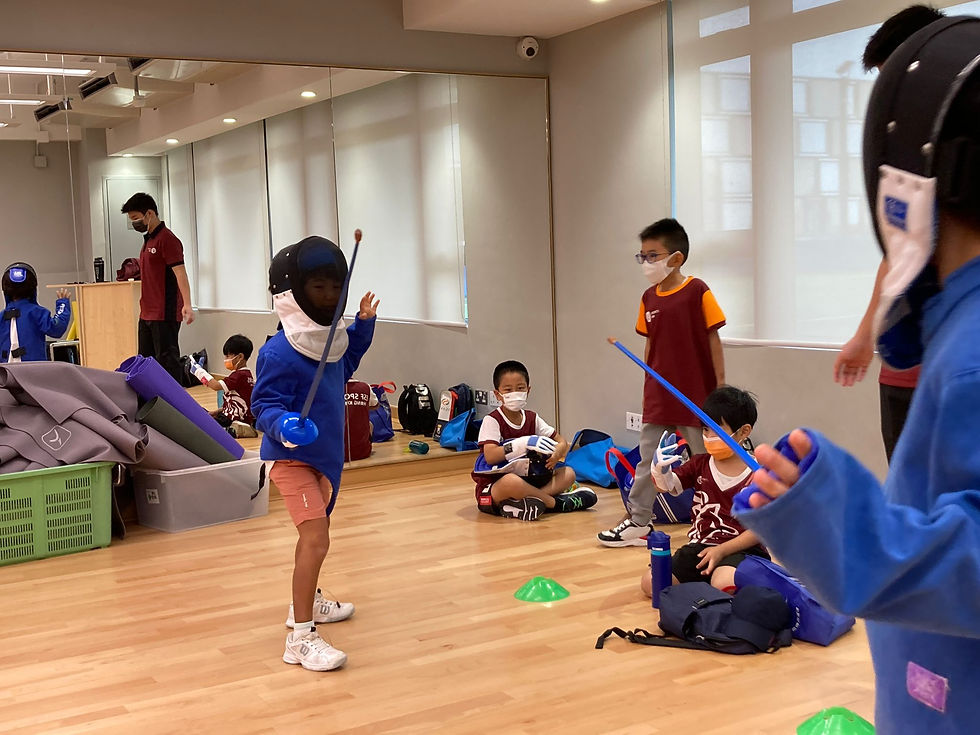
This after-school fencing CCA has been running for over four years. The results speak for themselves—four consecutive ISSFHK championships, multiple individual medalists, a strong and growing community of fencers, and excellent student retention year over year.
What made it work? Dedicated coaching staff, strong support from school administration, genuine parent engagement, and plenty of competitive opportunities for students.
Case Study 2: ESF Schools
ESF built a multi-school fencing network spanning both primary and secondary campuses. The results include inter-school competitions that students look forward to, a clear talent development pathway from beginner to competitor, student leadership opportunities within the fencing community, and genuine community building across schools.
Key success factors included a standardized curriculum across all schools, a formal coach training program, peer mentoring where older students help younger ones, and regular events that kept everyone engaged.

Case Study 3: Other International Schools
Many Hong Kong international schools now offer fencing as a CCA. These include the Chinese International School, Singapore International School, Australian International School, Canadian International School, and Kellett School, among others.
🏗️ Implementing Fencing at Your School
Step-by-Step Guide
Phase 1: Assessment takes about two to four weeks. Start by surveying parent and student interest. Assess available space in your facilities. Review budget considerations for startup and ongoing costs. And identify potential coaches or coaching partners.
Phase 2: Planning also takes two to four weeks. Finalize your program structure based on the assessment. Secure a coaching partnership with qualified instructors. Arrange for equipment provision. And develop clear safety protocols.
Phase 3: Launch takes four to eight weeks. Announce the program to your school community. Open registration for interested families. Conduct trial sessions so students can experience fencing before committing. And establish the regular weekly schedule.
Phase 4: Development is ongoing. Monitor and adjust the program as you learn what works. Build competitive opportunities for interested students. Develop a school culture around fencing. And celebrate achievements publicly.
Space Requirements
The minimum requirements are surprisingly modest. You need a flat, even surface. Each piste (fencing strip) needs about 10 meters by 2 meters. A typical program works well with two to three pistes. And you'll need storage space for equipment.
The ideal setup is more ambitious but achievable. A dedicated fencing room is wonderful if available. Four to six pistes allow for more students and better flow. Electronic scoring adds excitement and realism. Mirrors for technique work help students improve faster. And spectator seating makes competitions more engaging for families.
Budget Considerations
Startup Costs typically include equipment at $30,000 to $50,000 HKD, initial coach training at around $10,000 HKD, and marketing and promotion at roughly $5,000 HKD.
Ongoing Costs per semester include coaching fees of $40,000 to $80,000 HKD, equipment maintenance at about $5,000 HKD, and variable competition expenses depending on how many events your students attend.
Revenue Options can offset these costs. Student fees of $2,000 to $4,000 per semester are typical. Competition entry fees can be passed through or included. Equipment rental for home use generates small revenue. And summer camps can be profitable add-ons.
🏆 Competition Pathways for School Fencers
Local Competitions
ISSFHK (International Schools Sports Federation Hong Kong) runs annual championships that are the highlight of the school fencing calendar. There are seasonal tournaments throughout the year, both team and individual events, and multiple age categories so everyone finds their level.
HK Fencing Association Events are open to school fencers as well. These include official ranking competitions, age-group championships, and pathways to national team selection for exceptional students.
Regional Competitions
Asian School Games offer a multi-sport event with international school participation from across the region. The level of competition is high, and travel opportunities make these events memorable experiences.
ASEAN School Games provide regional competition with a strong cultural exchange component. These are excellent for experience building and making friends from other countries.
International Competitions
World School Championships represent the highest level for school fencers. International representation is a point of pride, and university recruiters pay attention to participants.
Individual International Events include Cadet World Cups, Asian Championships, and Commonwealth Youth Games. These are for the most dedicated competitors.
Parent Guide: Supporting Your School Fencer
Getting Started
First Steps are simple. Attend an information session to learn about the program. Try a trial class so your child can experience fencing firsthand. Assess your child's genuine interest afterward. And understand the commitment before enrolling.
What to Expect in those early weeks includes some initial awkwardness—that's completely normal. Then comes rapid skill development that surprises and delights both parents and students. Increased confidence follows naturally. And new friendship opportunities emerge as your child connects with teammates.
Ongoing Support
Practical Support makes a real difference. Ensure your child arrives on time for practices and competitions. Provide proper nutrition before and after training. Help with equipment care and maintenance. And attend competitions whenever possible—your presence matters.
Emotional Support is equally important. Celebrate effort, not just results. Help your child process losses in a healthy way. Encourage persistence when things get difficult. And help balance fencing with academic responsibilities.
Competition Support
Before Competitions, help your child ensure good sleep the night before. Prepare equipment together so nothing is forgotten. Discuss realistic goals without adding pressure. And manage expectations about winning versus learning.
During Competitions, stay positive regardless of results. Respect the coach's decisions without interfering. Cheer appropriately for your child and their teammates. And keep the focus on learning rather than outcomes.
After Competitions, discuss the experience openly. Identify learnings from both wins and losses. Celebrate achievements no matter how small. And plan improvements for next time together.
❓ FAQ: School Fencing Programs
Q: Is fencing safe for school children?
A: Yes. Fencing has one of the lowest injury rates among youth sports. Protective equipment and professional supervision ensure safety.
Q: Do students need to buy equipment?
A: Usually no. School programs typically provide all equipment initially. Personal equipment purchases come later for committed fencers.
Q: Can students join mid-year?
A: Most programs accept new students each semester. Some flexibility exists for motivated late joiners.
Q: What if my child doesn't want to compete?
A: Most programs offer recreational tracks. Competition is optional, not required.
Q: How does fencing affect academic performance?
A: Most students see improved focus and time management. Fencing develops skills that support academic success.
Q: Can students fence if they have other sports commitments?
A: Yes, many fencers participate in multiple sports. Fencing's scheduling flexibility accommodates other activities.
Q: What universities value fencing experience?
A: Many top universities including Ivy League schools, Stanford, Duke, Oxford, Cambridge, and others have fencing programs and value the experience.
Q: How long before students can compete?
A: Most students can participate in beginner-friendly competitions after 3-6 months of regular training.
Q: Is fencing suitable for all body types?
A: Yes. Fencing rewards strategy, technique, and timing over pure physical attributes. Success is possible for various body types.
Q: Can my child try fencing before committing to a semester?
A: Most schools offer trial sessions or short introductory courses before semester commitment.
The Future of School Fencing in Hong Kong
Growing Trends
Increasing Popularity is undeniable. More schools are adding fencing programs every year. Participation rates continue to rise. Competitive success at local and regional levels is growing. And coaching quality is improving as more certified instructors enter the market.
Program Evolution is equally exciting. Students are starting earlier than ever, with many programs now available at the primary level. Structured pathways from beginner to elite are becoming standard. Coach training is more professional than in the past. And facilities are gradually improving across the board.
Long-Term Benefits
For Students, the long-term payoff is substantial. They gain a lifelong sport they can enjoy well into adulthood. Their character is genuinely developed through years of training and competition. Potential scholarships open doors to top universities. And they become part of an international community that spans the globe.
For Schools, the benefits compound over time. A fencing program becomes a differentiated offering that sets the school apart. Reputation grows as successes accumulate. Alumni achievements in fencing bring ongoing pride and recognition. And the school community develops genuine pride in its fencing program.
For Hong Kong, the impact is meaningful. A stronger fencing culture benefits everyone. International competitiveness improves as young fencers develop. The Olympic pathway becomes more accessible for local talent. And we end up with a healthier, more active youth population.
Conclusion
Fencing as a CCA at international schools in Hong Kong represents a perfect convergence of educational values, personal development, and practical benefits. For students seeking something beyond traditional sports, parents wanting meaningful activities, and schools aiming to differentiate their offerings, fencing delivers exceptional value.
The success of programs at leading schools demonstrates that when implemented well, school fencing creates lasting positive impact on students, schools, and the broader community.
Ready to bring fencing to your school? Contact us to discuss partnership opportunities and program implementation.
About HK Fencing Master School Programs:
We partner with international schools across Hong Kong to deliver professional fencing CCAs. With over 10 school partnerships and 2000+ students trained, we provide comprehensive programs from introductory sessions to competitive training. Our coaches include Olympians and internationally certified instructors.
Contact us to discuss bringing fencing to your school!


Comments